
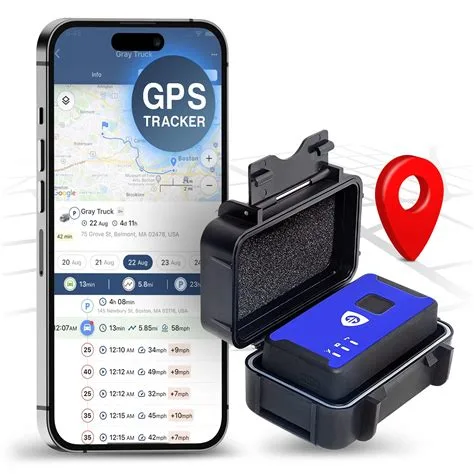
Is GPS Vehicle Tracking Legal in Florida? What Private Citizens and Investigators Need to Know
Is GPS Tracking Legal in Florida?
Florida law generally prohibits knowingly placing or using a tracking device or tracking application to monitor another person—or another person’s property—without consent. The exceptions are specific, and hiring a private investigator does not create authority the client would not otherwise have.
Reviewed August 19, 2026 · Florida Statute § 934.425
Consent is ordinarily required to install, place, or use a tracking device or application on another person or property.
An ordinary violation is a third-degree felony. Using unlawful tracking to commit or facilitate a dangerous crime is a second-degree felony.
A PI license is not an independent exception. The client must already fall within a statutory exception.
Usually not without consent or a specific legal exception
Florida Statute § 934.425 generally makes it unlawful to knowingly install or place a tracking device or application on another person’s property without consent, or to use one to determine another person’s location or movement—or the location or movement of that person’s property—without consent. [1]
The statute covers physical devices and tracking applications. The answer in a particular case can turn on ownership or lease status, consent, the relationship between the parties, the reason for tracking, a court order, and the exact conditions of any claimed exception.
This article provides general information, not legal advice. Before installing or using any tracking technology, consult a Florida attorney about the specific facts.
Florida regulates both placement and use
Section 934.425 prohibits two related forms of conduct, unless an exception applies:
- Installation or placement: knowingly installing or placing a tracking device or tracking application on another person’s property without consent.
- Use: knowingly using a tracking device or application to determine another person’s location or movement, or the location or movement of another person’s property, without consent.
Divorce and injunction filings matter
The law presumes consent has been revoked when one spouse files a petition for dissolution of marriage. It also presumes revocation when either person files an injunction for protection against the other under the statutes listed in § 934.425(3). [1]
That makes informal assumptions especially risky in separation, divorce, domestic-violence, repeat-violence, sexual-violence, and dating-violence matters. Marriage, shared residence, or past permission should not be treated as permanent authority.
What changed after this article was first published
Two 2025 acts affecting § 934.425 became law after the original publication date. The completed 2026 regular session produced no enacted amendment to the section.
2015: Florida created the tracking-device statute
The original law established the consent-based framework and statutory exceptions.
2024: The prohibition expanded and the penalty increased
Chapter 2024-114 extended the law to placing and using devices or applications, expressly covered tracking another person’s property, and increased an ordinary violation from a second-degree misdemeanor to a third-degree felony. [2]
July 1, 2025: Additional government and court-order exceptions took effect
Chapter 2025-81 added limited exceptions for specified Department of Corrections personnel, Department of Juvenile Justice personnel, and persons authorized by a court order. The act was approved after this article’s original publication date. [4]
October 1, 2025: Dangerous-crime tracking became a second-degree felony
Chapter 2025-71 added an enhanced second-degree felony when unlawful tracking is used to commit or facilitate a dangerous crime. [1][3]
2026: No enacted amendment to § 934.425
CS/SB 32 cited and would have reenacted subsection (3), but the bill died in House messages on March 13, 2026. It did not amend the statute. [5]
The exceptions are narrow and fact-specific
Section 934.425(4) lists circumstances in which the prohibition does not apply. The statutory text and every condition attached to an exception matter.
Government and court authority
Lawful criminal investigations by law enforcement, specified corrections or juvenile-justice activity, and installation, placement, or use authorized by a court order.
Parents and legal guardians
Certain tracking involving a minor child, with different consent requirements depending on whether parents or guardians are married, separated, divorced, living apart, surviving, or have sole custody.
Safety-related caregiving
Specified caregiver tracking of an elderly person or disabled adult when the treating physician provides the certification required by the statute.
Business, ownership, and lease interests
Good-faith activity on behalf of a business entity for a legitimate business purpose, and qualifying activity by a vehicle owner or lessee, subject to the limits and transfer or lease-expiration conditions stated in the law.
This page provides general information. The legality of GPS tracking depends on the specific facts of each situation.
A license does not create a GPS-tracking exception
The legitimate-business-purpose exception expressly states that it does not apply to a person engaged in private investigation on behalf of another person unless the activity would otherwise be exempt if performed by the client who hired the investigator. [1]
Florida’s private-investigator licensing statute separately identifies installation, placement, or use of a tracking device or application in violation of § 934.425 as grounds for disciplinary action. Available discipline includes reprimand, administrative fines, probation, suspension, or revocation, depending on the department’s findings and the applicable provisions. [6]
Royal Palm Investigations’ practice
Royal Palm Investigations does not place or use a GPS tracking device on a third party’s vehicle without clear, documented legal authority. We use lawful investigative methods such as physical surveillance, observations from lawful vantage points, photo and video documentation, public-record research, open-source intelligence, and attorney-directed legal process.
Preserve the facts before making assumptions
A device on a vehicle does not by itself establish who installed it, when it was installed, whether it is active, or whether a statutory exception applies. If personal safety is at risk or stalking is suspected, contact law enforcement promptly.
Document it in place
Photograph the device and its location before it is moved, when safely possible. Record the date, time, vehicle, and circumstances of discovery.
Avoid destroying potential evidence
Removal, power loss, handling, or disposal may affect evidence. Ask law enforcement or counsel how the device should be preserved.
Confirm ownership and access facts
Identify the titled owner, lessee, authorized users, recent repairs, financing or fleet arrangements, and anyone who had lawful access to the vehicle.
Get legal and technical guidance
A Florida attorney can evaluate the statute. When appropriate, a qualified investigator or digital-forensics professional can document the device and related evidence.
Location evidence does not begin and end with GPS
Depending on the case and legal direction, useful evidence may come from lawful surveillance, public and business records, open-source research, witness interviews, video, photographs, digital-forensics review, or records obtained through authorized legal process.
Florida GPS-tracking questions
Can a spouse put a GPS tracker on my car in Florida?
Marriage alone is not blanket permission. Consent, vehicle ownership or lease status, and the precise statutory exception matter. Consent is presumed revoked when either spouse files for dissolution of marriage and in specified injunction proceedings.
Can an owner track their own vehicle?
Section 934.425 contains an exception for a vehicle owner or lessee during the period of ownership or lease, subject to the removal, written-consent, and manufacturer-notice conditions in the statute. The facts should be reviewed by a Florida attorney.
Can a Florida private investigator install a GPS tracker?
A PI license is not an independent exception. The statute says a private investigator acting for another person may use the legitimate-business-purpose exception only when the client’s activity would otherwise be exempt.
Are AirTags and tracking apps covered?
The statute covers a device whose primary purpose is revealing location or movement by electronic signals and software whose primary purpose is tracking or identifying an individual’s location or movement. Whether a particular product or use falls within those definitions depends on the facts.
What is the penalty for unlawful GPS tracking in Florida?
An ordinary violation is a third-degree felony. A violation used to commit or facilitate a dangerous crime, as defined by Florida law, is a second-degree felony.
What should I do if I discover a tracker?
If there is an immediate safety concern or suspected stalking, contact law enforcement. When safe, document the device in place and avoid destroying possible evidence. Consult counsel before taking further action.
Need surveillance or GPS-related evidence evaluated?
Royal Palm Investigations works with attorneys, businesses, and private clients throughout Florida. We can help document the facts, preserve evidence, and develop a lawful investigative plan without treating technology as a shortcut around the law.
Request a Confidential Consultation
Royal Palm Investigations, LLC
13118 SR-64 E, Suite 301 · Bradenton, FL 34212
Florida License A3300070
Contact Royal Palm Investigations
Legal-information notice: This page summarizes public statutes and legislative records for general information. It is not legal advice and does not determine whether a particular act is lawful. Consult a Florida attorney about specific facts.
Florida statutes and legislative history
- Florida Statute § 934.425, installation or use of tracking devices or applications; exceptions; penalties.
- Florida Senate summary of CS/SB 758 (2024), enacted as Chapter 2024-114.
- CS/SB 1168 (2025), enacted as Chapter 2025-71.
- Chapter 2025-81, Laws of Florida, adding specified corrections, juvenile-justice, and court-order exceptions effective July 1, 2025.
- CS/SB 32 (2026), last action: died in House messages on March 13, 2026.
- Florida Statute § 493.6118, grounds for disciplinary action under Chapter 493.
Last reviewed: August 19, 2026. The Florida Senate currently publishes the 2025 Florida Statutes as its latest annual statutory compilation.